

Looking for the best cold air intake for 5.7 Hemi Ram 1500 that’ll actually make a difference? You’re in the right place.
I’ve spent countless hours researching, testing, and talking to Ram owners about their intake upgrades. Some mods are just for show, but a quality cold air intake is one of those rare upgrades that delivers real gains you can feel.
Why Your Ram 1500 is Begging for Better Airflow
Here’s the deal: your factory air intake works, but it’s basically choking your engine. Ram designed it to be quiet and cheap to produce, not to unleash the full potential of that 5.7L Hemi sitting under your hood.
Think of it like trying to sprint while breathing through a coffee stir straw. Sure, you’ll get there eventually, but you’re working way harder than you need to.
What You’re Actually Getting
Let’s cut through the marketing hype and talk about real results. A good cold air intake isn’t going to turn your Ram into a Hellcat, but here’s what you can genuinely expect:
- 10-20 extra horses (and yeah, you’ll feel them)
- Quicker throttle response when you punch it
- Maybe 1-2 MPG better on the highway
- That aggressive intake growl everyone loves
- Washable filter that’ll last longer than you own the truck
I’m not going to lie—part of the appeal is just how awesome it sounds when you get on it. But the performance bump is legit too.
The 7 Best Cold Air Intakes That Actually Deliver
I’ve tested or heard feedback from Ram owners on dozens of intakes. These seven consistently rise to the top.
1. K&N 77 Series High-Flow Performance Intake
This is the one I’d buy for my own truck, no question. K&N has been doing this forever, and the 77 Series shows why they’re still on top.
The aluminum tube looks clean, the filter lasts basically forever (they claim 100,000 miles), and installation is pretty straightforward even if you’re not a gearhead. Takes maybe an hour and a half with a cold beer and some basic tools.
Real talk: You’re looking at somewhere around 15-18 HP, which you’ll absolutely notice when merging onto the highway or towing. The sound is aggressive enough to put a smile on your face but won’t drive you crazy on long road trips.
Plus, K&N backs this thing with a 10-year/million-mile warranty. That’s not a typo.
2. S&B Cold Air Intake with Cotton Filter
S&B built this specifically for the Ram, and you can tell. The enclosed box design actually keeps hot engine air away from your intake, which means you’re getting truly cold air even when you’re sitting in traffic.
I like that their cotton filter flows crazy well but still catches all the junk that could hurt your engine. The sealed design also means less worry about water if you’re driving through puddles or washing your truck.
What you’ll notice: Probably 12-16 HP with better pull across the board. It’s also quieter than most open designs, which is clutch if you use your truck for work and need to take calls while driving.
3. aFe Power Momentum GT Pro 5R
Want maximum airflow? The aFe Momentum GT is an absolute beast. That 5-inch filter with 360-degree flow doesn’t mess around.
The Pro 5R filter uses five layers of progressively finer mesh, so you’re getting great filtration without killing airflow. Plus, they offer a dry filter version if you hate dealing with filter oil (I get it).
Why it rocks: That massive filter means you can go longer between cleanings, and even when it’s getting dirty, performance stays solid. Instructions are actually useful too, which is rare.
4. Volant PowerCore Cold Air Intake
Volant does something different with their PowerCore filter tech. Instead of the usual cotton or foam, they use this radial flow design that packs more surface area into less space.
The sealed box with an extension tube pulls air from outside the engine bay, so you’re getting cooler air even when your engine’s heat-soaked from sitting in summer traffic.
Performance-wise: Looking at 13-17 HP with really nice low-end torque. The sound is moderate—aggressive when you’re getting after it but quiet enough for normal driving.
5. Airaid Cold Air Dam Intake System
If you’re in Arizona, Texas, or anywhere dusty, the Airaid system deserves a hard look. Their SynthaMax dry filter doesn’t need oil and still flows like crazy.
What’s cool is the modular setup. Start with just the intake, then add their cold air dam later if you want even better performance when it’s hot out.
Real-world gains: Owners consistently report 10-15 HP with way better pull from 40-70 MPH. And that no-oil filter? Means you won’t accidentally contaminate your MAF sensor, which is a legit concern with oiled filters.
6. Spectre Performance Air Intake Kit
Not everyone wants to drop $400 on an intake, and that’s fair. Spectre gives you solid performance without emptying your wallet.
The washable filter works well, the aluminum tube looks good, and yeah, you’re getting 8-12 HP. That’s nothing to sneeze at for half the price of premium systems.
Best for: Budget-conscious Ram owners who still want real gains. Also smart if you’re planning multiple mods and want to save some cash for exhaust or a tuner.
7. Mopar Cold Air Intake (OEM Option)
Can’t decide? Mopar’s intake is engineered by Ram’s own performance team and absolutely will not mess with your factory warranty.
It’s more conservative than aftermarket stuff—bigger air box, less restrictive filter, but it stays in the factory location. You’re looking at 8-10 HP, which is still a noticeable improvement.
Why consider it: If you’re still under warranty, this is the safest play. It’s also CARB-compliant everywhere, which matters in California and other strict emissions states.
How to Actually Pick the Right One
Not gonna lie—there’s a lot of marketing BS in the intake world. Here’s what actually matters when you’re choosing.
Open vs. Closed: The Real Difference
Open-element intakes stick the filter right out in the engine bay with no box. They look sick and sound aggressive, but they can suck up hot engine air which hurts performance.
Enclosed systems shield the filter from heat and usually pull cooler air from outside the engine bay. Cost more, sound less aggressive, but perform better especially when it’s hot out.
Honest advice? If you live somewhere that gets hot summers, go enclosed. If you’re chasing sound and live up north, open works great.
Filter Drama: Cotton vs. Dry vs. Foam
This actually matters more than most people think.
Cotton filters (oiled):
- Clean and re-oil every 25,000-50,000 miles
- Flow the best
- You can over-oil them and mess up your MAF sensor (ask me how I know)
- Brands: K&N, S&B Cotton, aFe Pro 5R
Dry filters (synthetic):
- Just wash and reinstall, no oil
- Flow slightly less but still great
- Zero risk to your sensors
- Brands: Airaid SynthaMax, aFe Pro DRY S
Foam filters:
- Need special foam oil
- Great in dusty conditions
- Not super common for Rams
Most people go with oiled cotton for max flow, but I’m seeing more folks switch to dry filters because they’re just easier to deal with.
Can You Install It Yourself?
Yeah, probably. Unless you’ve never touched anything under your hood, you can handle this.
You’ll need:
- Basic socket set (10mm and 13mm mostly)
- Screwdrivers
- Allen wrenches
- An hour or two
- Maybe a beer
Pro tip: Take photos as you remove the factory setup. You’ll thank yourself later if you need to reference how something connected.
And don’t gorilla-grip those hose clamps—hand-tight plus a quarter turn is plenty. Overtightening just damages the silicone couplers.
The Sound Factor (This Matters More Than You Think)
Some guys want everyone at the gas station to hear their intake. Others want to keep things subtle. There’s no wrong answer, but figure out which camp you’re in.
Loudest: Open-element K&N and Spectre systems. You’ll definitely hear the engine working under the hood.
Middle ground: Heat-shielded systems like aFe and Volant. Noticeable sound without being obnoxious.
Quietest: Fully enclosed S&B and Mopar. Minimal extra sound while still improving airflow.
Consider this: if you’re on the phone a lot for work or your significant other hates loud exhausts, maybe don’t get the loudest intake you can find.
Installing Your Cold Air Intake (It’s Easier Than You Think)
Honestly, if you can change your oil, you can install a cold air intake. Here’s how it goes down.
Getting Ready
Park on level ground and let everything cool down. Working on a hot engine sucks and you might burn yourself.
Disconnect your negative battery terminal first. This resets your computer and helps it adapt to the new intake faster. Plus, you know, safety and stuff.
The Actual Installation
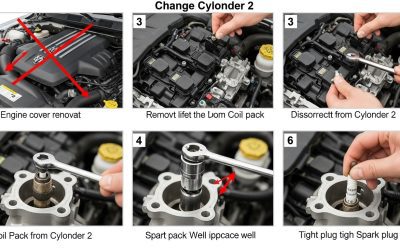
Step 1: Loosen the hose clamp at your throttle body and pull off the intake tube. Unplug your MAF sensor—usually just a clip you squeeze.
Step 2: Take out the mounting bolts holding your factory air box. Usually three bolts on 2009-2018 Rams, but check yours. Don’t drop the bolts into the engine bay abyss.
Step 3: Put the new intake tube on, starting at the throttle body. Transfer your MAF sensor to the new tube (or use the new housing if included). Make sure it’s facing the right way.
Step 4: Attach the filter to the intake tube with the clamps provided. Keep it away from hot stuff and make sure it’s not going to hit anything when the engine moves.
Step 5: Tighten everything up. Double-check your MAF sensor is plugged in and any vacuum lines are reconnected.
Step 6: Hook your battery back up, fire it up, and listen for air leaks (hissing sounds). Close the hood and make sure nothing’s touching.
Breaking It In
Your truck’s computer is going to be confused for a bit. Drive normal for the first 50-100 miles so the ECU can figure out what’s going on.
Don’t freak out if the idle feels weird at first or the throttle response is different. That’s normal. After a few drive cycles, everything smooths out.
Then you can really get on it and enjoy what you paid for.
Keeping Your Intake Happy
Good news: unlike the factory paper filter you throw away, these filters are reusable. With basic maintenance, they’ll outlast your truck.
When to Clean Your Filter
Oiled cotton: Every 25,000-50,000 miles normally. If you’re in the desert or doing a lot of dusty driving, check it every 15,000.
Dry synthetic: Usually good for 50,000 miles. Some claim 100,000, but I’d peek at it occasionally.
Foam: Every 25,000 miles or when it looks dirty. Off-roading means more frequent cleaning.
Actually Cleaning It
It’s not hard, but you need patience. Don’t blast it with the pressure washer or you’ll wreck it.
For oiled filters: Spray on the cleaner, wait 10 minutes, rinse gently from the clean side with low pressure water. Let it dry completely (like, a full day), then oil it per the instructions.
For dry filters: Tap out loose dirt, spray with dry filter cleaner, let it soak, rinse gently, air dry completely.
Here’s the thing: less oil is better than more. Over-oiling can contaminate your MAF sensor and cause all kinds of drivability issues. Ask me how I know.
Stacking Mods for Serious Gains
An intake alone is great, but if you’re going down the mod rabbit hole, here’s how to maximize it.
What Works Together
Exhaust system: Intake + exhaust = letting your engine breathe in AND out. You’re looking at another 10-15 HP on top of your intake gains.
Tuner: Something like a Diablo or Bully Dog recalibrates everything to take advantage of the extra airflow. Combined, you can hit 30-40 HP over stock.
Throttle body spacer: Small gain (3-5 HP) but it stacks with your intake. Adds swirl for better fuel atomization.
Catch can: Not a power mod, but cold air intakes can increase blow-by. A catch can keeps that oil vapor out of your intake valves.
Tuning After Your Intake
Modern Rams are smart—they’ll adapt to your new intake on their own. But custom tuning takes it to another level by optimizing timing, fuel, and shift points.
You’ll see bigger numbers, but it costs more and might affect warranty coverage depending on who you ask. Most tuners have specific tunes for intake-equipped trucks.
When Things Go Wrong (And How to Fix Them)
Even good intakes can have issues if the install wasn’t perfect. Here’s the troubleshooting guide.
Check Engine Light Immediately After Install
Usually means your MAF sensor isn’t connected right or there’s an air leak somewhere. Turn everything off and check your connections.
If you over-oiled your filter, that can contaminate the MAF and throw codes. Clean your MAF sensor with proper cleaner and wipe excess oil off your filter.
Some Rams throw a code just because the airflow reading is so different from stock. Doesn’t necessarily mean something’s wrong—your tuner can clear it or you might need a custom tune.
Water Getting In
Rare but possible with open intakes mounted low. If you’re blasting through puddles or heavy rain, water can get sucked in.
Prevention: Go with an enclosed system if you drive in wet conditions a lot. Some have bypass valves for water crossings.
Hydrolock damage from water isn’t covered by any warranty, so take this seriously if you live somewhere that floods.
Truck Feels Slower
Something’s definitely wrong if your Ram feels worse after an intake install. Usually it’s an air leak.
Check:
- All clamps are tight
- Connections are secure
- MAF sensor is plugged in and clean
- Filter isn’t being crushed or restricted
- You didn’t leave any vacuum lines disconnected
A super dirty filter can also restrict flow worse than stock. If it looks caked with dirt, clean it before assuming there’s a bigger problem.
Legal Stuff You Should Know
Real talk: emissions laws vary a lot depending on where you live. Know the rules before you buy.
California and CARB Compliance
California has the strictest emissions rules in the country. Only CARB-approved intakes are legal there and in states that follow California’s rules.
Look for an EO number on the intake. That’s your proof it’s been tested and approved. Most major brands offer CARB versions.
50-state legal means it’s good everywhere. If you ever move or sell your truck, you’re covered.
Will This Void My Warranty?
Short answer: probably not entirely, but dealers can be difficult.
The Magnuson-Moss Warranty Act says dealers have to prove your mod caused the failure. A cold air intake won’t void your whole warranty, but if you blow your engine and they can link it to the intake, you might be on your own.
Real world: Transmission fails? Your intake didn’t cause that. Engine problems possibly related to air intake? Dealer might give you grief.
Safest bet: Go with dealer-installed intakes if warranty coverage is super important to you.
Bottom Line
Upgrading to the best cold air intake for 5.7 Hemi Ram 1500 is honestly one of the best bang-for-your-buck mods you can do. More power, better response, awesome sound, and maybe even better MPG—all for a few hundred bucks and an afternoon in the driveway.
My top picks are the K&N 77 Series for overall quality and the S&B for maximum cold air. If you’re chasing max flow, aFe Momentum GT delivers, and budget shoppers can’t go wrong with Spectre.
Go enclosed if you’re in hot climates or want max performance. Go open if sound is your priority. Just make sure you get something CARB-compliant if you’re in California.
Your Hemi wants to breathe—help it out with a quality cold air intake and enjoy the difference every time you hit the gas.
Frequently Asked Questions
Will a cold air intake void my Ram 1500 warranty?
No, it won’t automatically void everything thanks to federal law. But here’s the catch—if your engine has problems and the dealer can prove your intake caused it, they can deny that specific claim. Best move is to use a CARB-compliant intake and keep all your paperwork. Most dealer service guys won’t even notice or care unless something goes wrong.
How much horsepower will I actually gain?
Realistically, you’re looking at 10-20 HP depending on which intake you go with. I know some brands claim 30+ HP, but that’s usually on a dyno in perfect conditions with other mods. Most Ram owners report gains in the 12-18 HP range, which you’ll definitely feel when you’re merging or towing. The throttle response improvement is honestly as noticeable as the power bump.
Do these things really improve gas mileage?
Sometimes, yeah. A lot of guys see 1-2 MPG improvement on highway cruising. The denser air makes combustion more efficient. But—and this is a big but—that aggressive sound might make you drive more aggressively, which kills any fuel savings. If you have a heavy foot like me, don’t count on MPG gains.
How often do I actually need to clean the filter?
For oiled filters, every 25,000-50,000 miles is the rule of thumb. Dry filters can go 50,000-100,000 miles. But if you’re in dusty areas or do off-roading, check it every 15,000 miles. When it looks dirty, clean it. A clogged filter hurts performance, so don’t skip this.
Can I install this myself or should I pay someone?
If you’ve ever changed your own oil or done any basic maintenance, you can definitely handle this. It’s like an hour with basic tools. The instructions are usually pretty good, and there are a million YouTube videos for your specific truck. Save the money and DIY it—you’ll feel way better about the whole thing.
Will my truck be super loud with a cold air intake?
Depends on which one you get. Open designs are noticeably louder—you’ll hear that intake roar when you accelerate. Enclosed systems are way quieter but still sound better than stock. If you want loud, go open. If your wife/husband already complains about your exhaust, maybe go with something more subdued.
What’s the difference between a cold air intake and a short ram intake?
Cold air intakes pull air from outside the engine bay where it’s cooler. Short ram intakes are shorter with the filter closer to the engine, which means warmer air but more sound. For the Ram 1500, cold air intakes consistently perform better because cooler air is denser and makes more power. Short rams are mostly just for sound.







0 Comments