
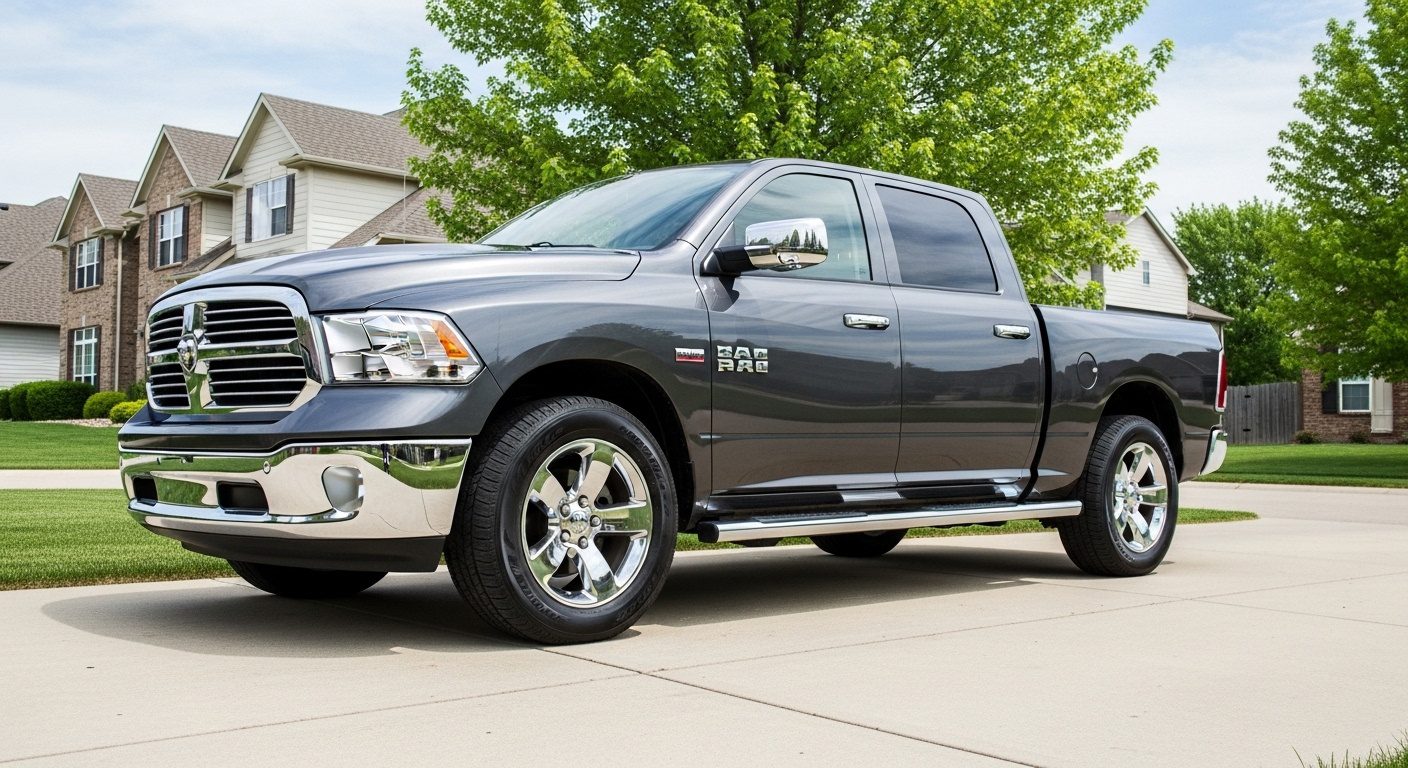
The Real Answer to What’s the Best Year for Dodge Ram 1500 — And Why It Actually Matters
You’re standing on a used car lot, or maybe you’re three tabs deep on Cars.com at midnight, and you keep circling back to the same question: which Ram do I actually want? A buddy swears by his 2013. Your neighbor won’t stop talking about his 2019. And some guy on a forum said anything before 2009 is a money pit. The truth? They’re all partially right — and partially full of it. Finding the best year for Dodge Ram 1500 isn’t about picking the newest one you can afford. It’s about knowing exactly which model years earned their reputation and which ones just look good in photos.
Why Knowing the Best Year for Dodge Ram 1500 Can Save You Thousands
This isn’t just a truck purchase — it’s probably one of the bigger financial decisions you’ll make this year. A Ram 1500 in the wrong model year can mean surprise transmission failures, HEMI tick issues, or electrical gremlins that show up right after your warranty expires. We’re talking potentially thousands of dollars in repairs that nobody warned you about.
Ram 1500 reliability varies pretty significantly depending on when the truck was built and what generation you’re looking at. The difference between a well-regarded year and a troubled one can mean the difference between a truck that runs strong for 200,000 miles and one that’s back at the shop every six months. If you’re buying used — especially in the $20,000–$35,000 range where most people are shopping — you need to know which years to target and which to skip. That knowledge isn’t just smart. It’s protective.
What You Need to Know Before You Start Hunting for the Best Year for Dodge Ram 1500
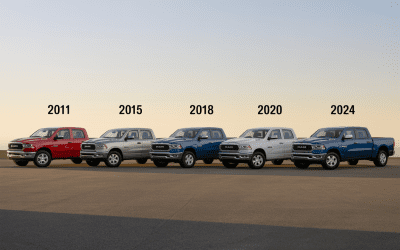
Before you can zero in on the right year, you need to understand how the Ram 1500 has evolved through its generations. The third generation ran from 1994 to 2001. The fourth generation — often called the DS/DJ body style — kicked off in 2002 and ran through 2008. The fifth generation launched in 2009 and carried through 2018, with a mid-cycle refresh around 2013. Then the sixth generation arrived for 2019 and is still running today.
Each generation had its own set of strengths and recurring problems. The 5.7L HEMI, which powers a huge portion of used Rams on the market, is generally a strong engine — but certain years had documented issues with the multi-displacement system (MDS) lifters. Knowing which generation you’re dealing with changes what questions you ask, what inspection points you cover, and which carfax red flags to watch for. Do this homework before you start test-driving, and you’ll shop like someone who actually knows what they’re doing.
Finding the Best Year for Dodge Ram 1500: A Walkthrough of the Strongest Model Years
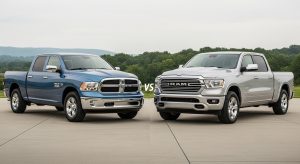
Let’s start with the standout years, because that’s what you actually came here for. Within the fifth generation (2009–2018), the 2013 Ram 1500 is arguably the sweet spot. Dodge gave the truck a significant refresh that year — revised interior, improved ride quality, and an updated powertrain lineup. Owners consistently report strong reliability, and the 2013 has aged well in terms of parts availability and mechanic familiarity.
From there, the 2015 and 2016 model years are also worth serious attention. By then, the early kinks from the 2009 redesign had been worked out, and these trucks benefit from the refreshed front end and interior upgrades introduced in 2013. Ram 1500 reliability for these years is well-regarded in owner surveys, and they’re old enough to have depreciated meaningfully without being so old that you’re worried about age-related wear.
Once you move into the sixth generation, the 2019 Ram 1500 marked a major leap forward. New frame, lighter weight, air suspension option, a genuinely nice interior — it felt like Ram was finally playing in the same league as Ford and GM on refinement. The 2020 and 2021 model years built on that foundation with minor refinements and fewer first-year bugs. If your budget can stretch into the mid-to-upper $30,000 range for a used half-ton truck, a 2020 or 2021 is hard to argue against.
On the flip side, the early fifth generation years — especially 2009 and 2010 — had documented issues with the transmission and some engine problems. The 2003 and 2004 fourth-gen trucks also saw transmission complaints that were widespread enough to affect resale value. Not every truck from those years was a lemon, but the odds weren’t in your favor.
best year for dodge ram 1500
The Most Common Mistakes People Make When Searching for the Best Year for Dodge Ram 1500
One mistake that trips up a lot of buyers is chasing the newest year they can afford without checking the specific powertrain or trim. A 2019 Ram with a troubled repair history is worse than a 2016 with 70,000 clean miles. Always look at the individual truck’s history, not just the model year.
Another common error is ignoring the MDS (multi-displacement system) on HEMI-equipped trucks. Some years had known lifter failure patterns tied to the MDS switching between 4 and 8 cylinders. This is fixable, but it’s expensive — and it’s worth knowing whether the truck you’re eyeing has already had that work done or is a ticking clock.
Buyers also frequently underestimate the cost of higher trim levels. A Ram Longhorn or Limited from a good model year sounds amazing until you’re quoted for air suspension repairs or heated seat module replacements. Make sure you’re budgeting for what that specific trim level costs to maintain, not just what it costs to buy.

best year for dodge ram 1500
Pro Tips That Make Finding the Best Year for Dodge Ram 1500 Easier
First, pull the VIN on any used Ram before you even go look at it in person. Services like Carfax or AutoCheck will show you accident history, number of owners, and service records if they’re available. A clean VIN report doesn’t guarantee a perfect truck, but it eliminates a lot of obvious problems fast.
Second, have a pre-purchase inspection done by an independent mechanic — not a dealer tech. It costs around $100–$150 and can catch oil leaks, brake wear, and transmission issues that you’d never spot on a test drive. That’s cheap insurance on a $25,000 purchase.
Third, if you’re targeting a HEMI-equipped truck from the fifth generation, ask specifically about lifter and cam phaser condition. A mechanic can listen for the tick and check oil pressure to give you a sense of where the engine stands.
Finally, pay attention to the axle ratio. A truck spec’d for towing with a 3.92 rear axle is going to behave very differently — and get worse fuel economy — than a truck with a 3.21 set up for daily driving. Know what you actually need the truck to do before you fall in love with a set of options that don’t match your life.
best year for dodge ram 1500
When Searching for the Best Year for Dodge Ram 1500 Calls for Expert Help
If you’re looking at a Ram with over 100,000 miles, or one that’s had any documented front-end collision, bring a professional in before you sign anything. A used pickup truck in that mileage range can hide frame damage, rust issues, or drivetrain wear that only a lift and a trained eye will catch. The same goes if you’re buying privately from an individual seller with limited service records — the risk profile is just higher, and a mechanical inspection closes that gap. Don’t talk yourself out of spending $150 on an inspection to save time. That decision has cost a lot of people a lot of money.
Final Thoughts on the Best Year for Dodge Ram 1500 and Your Next Move
If you take nothing else from this, take this: the best year for Dodge Ram 1500 depends on your budget, your use case, and how much mileage you’re comfortable inheriting. For most people shopping used in today’s market, a 2015–2016 fifth-gen or a 2020–2021 sixth-gen hits the sweet spot of reliability, features, and value. But the specific truck matters as much as the model year — always inspect, always pull the history, and always drive it before you commit.
Got a Ram you love — or one that burned you? Drop your experience in the comments. Real owner stories are worth more than any spec sheet, and someone shopping right now would love to hear what you went through.





0 Comments