
The Best Bed Cover for Your Ram 1500 (And How to Actually Pick One)
If you’ve started shopping for a bed cover, you’ve probably noticed something annoying pretty fast: everyone claims their product is “the best,” and none of them agree on what that even means. Some guides push hard folding covers no matter your situation. Others act like a roll-up cover is somehow inferior when, for a lot of Ram 1500 owners, it’s exactly the right call.
This article skips the hype. Instead, it walks through what actually separates a good bed cover from one you’ll regret, what matters for your specific truck and how you use it, and which type fits which owner. By the end, you should be able to look at any bed cover on the market and know within thirty seconds whether it’s worth your money.
We’ll cover fit and compatibility, the real differences between cover types, what security and weatherproofing actually look like in practice, installation realities, and a few mistakes that trip up even experienced truck owners. There’s also a product recommendation near the end, once you have enough context to know why it might be a fit.
Why a Bed Cover Is Worth Considering in the First Place
An open truck bed is a liability more often than people expect. Rain gets in. Dust settles into everything. Tools, coolers, and groceries slide around and sometimes fly out on the highway. And an uncovered bed is basically an invitation for anyone walking by to see exactly what you’re hauling.
A bed cover solves most of that in one shot. It keeps cargo dry, keeps it out of sight, and on most Ram 1500 trims, it also improves fuel economy slightly by smoothing out airflow over the bed. That last benefit isn’t dramatic — don’t expect a night-and-day difference at the pump — but it’s a real, measurable side effect of closing off that open cavity.
There’s also a resale angle that doesn’t get mentioned enough. A truck bed that’s been protected from sun and weather for years tends to look noticeably better than one that’s been exposed the whole time. If you plan on trading in or selling your Ram down the line, a bed cover is one of the cheaper ways to protect that value.
Know Your Bed Length Before You Shop for Anything
This sounds obvious, but it trips up more buyers than you’d think. The Ram 1500 has been sold with a 5’7″, 6’4″, and 8′ bed depending on cab configuration and model year, and bed covers are built to exact measurements for each one. A cover made for the 6’4″ bed will not fit the 5’7″ bed, even though the difference sounds small on paper.
Check your owner’s manual or measure the bed yourself from the inside of the tailgate to the front bulkhead. Don’t rely on memory or on what the dealer told you when you bought the truck — trims and options get mixed up, and previous owners sometimes swap beds during repairs. A five-minute measurement now saves you a return shipping hassle later.
If you’re also weighing other bed-related upgrades at the same time, it’s worth glancing at a broader accessories roundup for the Ram 1500 before you commit, since bed covers often get paired with tie-downs, bed mats, or toolboxes that need to work around whatever cover style you pick.
The Main Types of Bed Covers, and Who Each One Actually Suits
There’s no single “best” type — there’s a best type for your situation. Here’s how they break down.
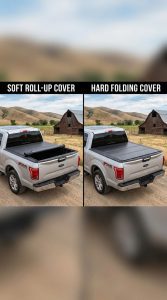
Roll-Up Covers
These are exactly what they sound like: a soft or semi-rigid cover that rolls up toward the cab when you need full bed access. They’re the cheapest option in most cases and the easiest to install, often in under an hour with basic tools.
The tradeoff is durability and security. Vinyl roll-ups can sag or develop wrinkles over a few years, especially in hot climates, and they don’t offer much resistance if someone’s determined to get into your bed. For someone who only occasionally hauls something oversized and mostly wants basic weather protection, though, a roll-up does the job without overspending.
Folding Covers
Folding covers, usually made of aluminum panels, hinge into sections — typically three or four — so you can fold back just part of the bed or the whole thing. They strike a balance a lot of Ram 1500 owners land on: solid security, full bed access when needed, and a look that’s more finished than a soft roll-up.
They cost more than roll-ups, and installation takes a bit longer, but most people can still do it in an afternoon without a shop. If you carry a mix of cargo — sometimes small stuff that needs to stay dry and secure, sometimes something tall that needs the whole bed open — this is usually the sweet spot.
Retractable Covers
Retractable covers slide into a canister mounted just behind the cab, similar to a roll-up but built with a rigid slat design instead of vinyl. They give you the convenience of quick access with more structural rigidity than a soft cover, and most retractable models can support some weight on top when closed, which matters if you ever need a stable surface for cargo straps or a rooftop-style load.
The canister does eat a small amount of bed length at the front, which matters if you’re already working with the shorter 5’7″ bed and hauling long items regularly.
Hard Tri-Fold or Hinged Covers
These are similar to folding covers but built as one more rigid unit, sometimes fiberglass or heavier-gauge aluminum, and often marketed toward people who want the cover to double as a stable work surface or towing platform when folded down. They’re heavier, which means installation is more of a two-person job, but they hold up extremely well over time.
Retractable Tonneau vs. Truck Bed Caps
It’s worth distinguishing bed covers from full bed caps or camper shells, which are a different category entirely — taller, heavier, and meant for different use cases like camping or hauling gear that needs vertical clearance. If what you actually want is more storage volume rather than a flush low-profile cover, a cap might serve you better, but that’s a separate purchase decision with its own tradeoffs in weight and fuel economy.
Weatherproofing: What Actually Matters
Every bed cover claims to be weatherproof, but the real differences show up in the details. Look for double-sealed edges along the rails, not just a single foam gasket — foam alone tends to compress and lose its seal within a couple of years, especially with daily sun exposure. A drainage channel built into the rail system matters too; without one, water that does get past the seal just pools in the bed instead of running off.
If you live somewhere with real winters, check how the cover handles snow load and ice buildup around the latch mechanisms. Some folding and retractable covers freeze shut in sub-zero conditions if the seals ice over, which is more of an inconvenience than a dealbreaker, but it’s worth knowing before you buy if you’re in a colder region. Anyone dealing with harsh winters regularly might also find it useful to look at a winter prep guide for Ram trucks for related maintenance steps that go beyond just the bed cover.
Security: What a Lock Actually Protects Against
Most bed covers ship with some kind of integrated locking mechanism, usually tied to the tailgate lock or a separate key cylinder. It’s worth being realistic about what this actually stops. A locked hard folding cover is a real deterrent against opportunistic theft — someone walking by isn’t going to pry open aluminum panels in a parking lot. But it’s not a vault. Someone with tools and time can defeat almost any bed cover lock.
What it’s genuinely good for is keeping cargo out of sight, which removes the temptation in the first place. If you’re regularly hauling anything valuable, pairing the cover with a locking toolbox or a hidden storage system inside the bed adds a meaningful second layer.
Installation: What to Actually Expect
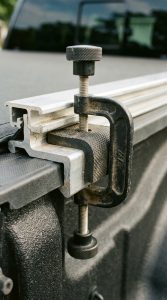
Manufacturers love to say “no drilling required,” and for a lot of clamp-on folding and roll-up covers, that’s genuinely true. They use C-clamps that grip the bed rail, and you can have the whole thing on in well under two hours with nothing but a socket wrench.
Retractable and some hard hinged covers are a different story. They often require mounting brackets that do involve drilling, and the canister on a retractable cover needs to sit level and square or it won’t retract smoothly. If you’re not confident measuring and drilling accurately, this is one of the few cases where paying a shop an hour of labor is worth it — a crooked canister mount is a genuinely annoying problem to live with.
Whatever type you choose, plan on a first drive with the tailgate up and cover closed to check for wind noise or vibration. Minor adjustments to the tension or rail alignment usually solve it, but it’s easier to catch and fix in the first week than after you’ve assumed it’s just how the truck sounds now.
Weight Capacity and Towing Considerations
If you use your Ram 1500 for towing, check whether your chosen cover interferes with a gooseneck or fifth-wheel hitch setup. Retractable canisters and folding covers with tall rail profiles can sometimes conflict with hitch clearance, particularly on shorter beds. Roll-up covers tend to have the least interference here since they compress flat against the front of the bed.
If your towing setup already includes other rear-end accessories, it’s worth checking how everything works together before finalizing a cover purchase — mismatched hardware at the tailgate is a common and avoidable headache. A look at a broader Dodge Ram 1500 accessories and towing overview can help you spot conflicts before you order anything.
Price Ranges and What You’re Actually Paying For
Roll-up covers generally sit at the lower end of the price spectrum, folding aluminum covers land in the middle, and retractable or premium hard covers sit at the top. The jump in price as you go up usually buys you three things: better materials that hold up to UV and temperature swings, tighter seals that actually keep water out over years rather than months, and hardware that’s easier to align correctly the first time.
That said, more expensive doesn’t automatically mean better for your situation. If you mostly park in a garage and rarely haul anything that needs weatherproofing, a mid-range folding cover will likely outlast your ownership of the truck without you ever needing the premium features. Spend where your actual use case demands it, not where the marketing pushes hardest.
Common Mistakes Ram 1500 Owners Make When Buying a Bed Cover
A few patterns show up again and again. The first is buying based on bed length alone without checking whether the cover is rated for your specific cab configuration — some manufacturers list separate SKUs for Quad Cab versus Crew Cab even at the same bed length, because of small differences in rail geometry.
The second is skipping the drainage question entirely. A cover that seals well but has nowhere for water to actually go just traps moisture against your bedliner, which can lead to more rust or mildew than an open bed would in some climates.
The third is underestimating how often they’ll need full, unobstructed bed access. Someone who convinces themselves they’ll “hardly ever” need the whole bed open often ends up frustrated within the first month of ownership, especially if they end up needing to haul furniture, appliances, or building materials more than expected.
A Cover Worth Considering
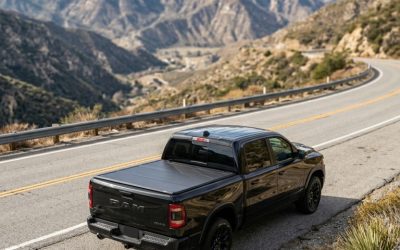
Once you know your bed length and have a sense of which type fits how you actually use the truck, a hard folding tonneau cover is the option that tends to work for the widest range of Ram 1500 owners — enough security and weatherproofing for daily use, without giving up the ability to open the whole bed when you need to haul something bigger.
The TruXedo Sentry CT is a reasonable example of this category. It’s a hard folding cover built with an integrated tailgate lock and a low-profile design that sits flush with the bed rails.
What it offers: a rigid folding panel design that locks down securely, a built-in tailgate seal, and tool-free removal if you need the bed completely open for an extended job.
Possible drawbacks: like most hard folding covers, it adds noticeable weight compared to a soft roll-up, and the folded panels take up cargo space at the front of the bed when open. Installation, while clamp-based, still benefits from a second set of hands to get the panels aligned evenly.
Who it suits: owners who want a “set it and forget it” cover that handles daily weather protection and occasional full-bed jobs without a lot of fuss.
Who might skip it: anyone who needs the bed open more often than closed, or who’s working with a tight budget and mainly wants basic rain protection — a simpler roll-up will likely serve that use case just as well for less money.
Current pricing, exact specifications, and available finishes change over time, so it’s worth checking the listing directly for up-to-date details before buying.
Maintaining Your Bed Cover Once It’s Installed
A bed cover isn’t fully maintenance-free. Wipe down the seals every few months with a mild cleaner to keep them pliable — dried-out rubber seals are one of the most common reasons covers start leaking a couple of years in. If you have a folding or hard hinged cover, check the hinge hardware periodically for corrosion, especially if you’re in a coastal area or somewhere that uses road salt in winter.
For clamp-mounted covers, it’s also worth re-checking clamp tension once or twice a year. Temperature swings cause metal to expand and contract, and a clamp that was snug in summer can loosen slightly by the time winter rolls around.
If you’re already doing seasonal truck maintenance, folding this into that routine takes just a few extra minutes and meaningfully extends how long the cover performs the way it did on day one.
Bed Covers and the Rest of Your Truck’s Look
A bed cover changes the overall profile of your Ram 1500 more than most accessories, since it’s one of the largest visible surfaces on the truck. If you’ve already invested in running boards or other exterior upgrades, it’s worth picking a cover finish and color that complements rather than clashes with what you’ve already got — matte black covers tend to be the safest match across most factory paint colors, while color-matched covers look great but cost more and take longer to source.
If your priorities lean more toward the cabin than the bed, a lot of the same “buy for how you actually use the truck” logic applies to interior upgrades for comfort and style as well — it’s easy to overspend on features you won’t use daily.
Making the Final Decision
If you’ve read this far, you probably already have a decent sense of which category fits you. As a quick gut-check: if you rarely need full bed access and want the cheapest reasonable protection, a roll-up makes sense. If you want a balance of security, looks, and occasional full access, a folding cover is the safest bet for most owners. If you tow or need a stable surface and don’t mind spending more, look at retractable or hard hinged options.
Whatever you land on, measure your bed correctly, read the seal and drainage details closely, and be honest with yourself about how often you actually need the bed wide open. That’s really the whole decision.
Frequently Asked Questions
Does a bed cover actually improve gas mileage on a Ram 1500? Somewhat, though not dramatically. Closing off the open bed reduces aerodynamic drag slightly, and most owners report a small, noticeable improvement, particularly at highway speeds. Don’t expect it to offset the cost of the cover through fuel savings alone.
Can I still use a bed liner spray with a hard folding cover installed? Yes. Bed liner coatings and bed covers aren’t mutually exclusive, and most owners run both. Just make sure the liner is fully cured before mounting cover hardware so the clamps or brackets seat properly.
Will a bed cover interfere with my truck bed’s factory tie-down system? Most covers are designed to work around factory tie-down points, but it’s worth checking the specific product’s fit notes, especially with retractable covers where the canister can sit near front tie-downs.
How long does a typical hard folding cover last before it needs replacing? With reasonable care, a quality hard folding cover often lasts eight to ten years or more. Soft roll-up covers tend to need replacement sooner, especially in high-UV climates, sometimes within four to six years.
Do I need to remove the bed cover for a car wash? No, most covers are designed to handle standard automatic car washes and pressure washing at a reasonable distance. Avoid extremely high-pressure spray directed straight at the seals, since that can push water past them over time.
Is a locking bed cover enough security on its own, or do I need an additional lock? For everyday deterrence, a locking cover is usually sufficient. If you regularly haul higher-value equipment, adding a secondary lock on a toolbox or storage system inside the bed is a reasonable extra step rather than relying on the cover alone.
Can I install a bed cover myself, or should I have it professionally installed? Most roll-up and folding covers are designed for DIY installation with basic tools in a couple of hours. Retractable and some hard hinged covers that require drilling are more forgiving with professional installation, particularly if you’re not confident measuring and aligning mounting brackets precisely.


0 Comments