

The key is to match every accessory to your exact truck and the job you want it to do. Whether you drive a work-ready Silverado, a heavy-duty Silverado HD, or a midsize Colorado, this guide explains how to compare accessory types, verify compatibility, understand installation concerns, and avoid common buying mistakes.
Chevy Truck Accessory Basics at a Glance
- Confirm the exact vehicle: Model year, model, trim, cab style, bed length, and drivetrain can all affect fitment.
- Start with a real need: Bed protection, easier entry, interior cleanliness, storage, and appearance are different goals.
- Compare OEM and aftermarket options: Genuine Chevrolet accessories and third-party products have different advantages.
- Check installation requirements: Some accessories are simple bolt-on additions; others involve wiring, drilling, or professional work.
- Protect the truck’s existing systems: Poorly installed electrical or suspension modifications can create problems.
- Verify the actual part number: A product advertised for a Chevy truck is not automatically compatible with every Chevrolet pickup.
- Read the return and warranty terms: Confirm who pays for return shipping, installation, and any fitment-related costs.
What Counts as a Chevy Truck Accessory?
A Chevy truck accessory is an additional item that improves a vehicle’s utility, comfort, protection, appearance, or capability. Accessories may be supplied through Chevrolet’s parts network, made by independent manufacturers, or purchased used from another truck owner.
Some additions protect parts of the truck that experience everyday wear. Others help you carry equipment, reach the cab, organize tools, or personalize the exterior.
Common categories include:
- Bed protection: Tonneau covers, bed mats, bed liners, and tailgate protectors help manage cargo and reduce wear.
- Cabin protection: All-weather floor liners, seat covers, and cargo organizers make it easier to handle mud, spills, tools, and family use.
- Exterior accessories: Running boards, splash guards, mud flaps, hood deflectors, and compatible styling components serve practical or cosmetic purposes.
- Storage and work gear: Toolboxes, cargo dividers, bed racks, and organizers help keep equipment arranged and accessible.
- Electrical accessories: Auxiliary lighting, dash cameras, charging equipment, and other powered additions may need carefully planned wiring.
- Off-road and towing equipment: Certain recovery, suspension, and towing accessories require more attention to load ratings, fitment, and safe installation.
The official Chevrolet Silverado 1500 accessories catalog shows examples of vehicle-specific categories, including splash guards, wheel-well liners, and window deflectors. The range available for one model should not be assumed to apply to every Chevrolet pickup.
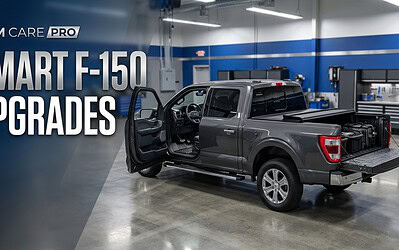
For additional category ideas, RAM Care Pro’s RAM 1500 accessories overview discusses common truck upgrades from a different manufacturer’s perspective. Its product fitment details are RAM-specific, so use it for general category inspiration rather than Chevy compatibility advice.
Match the Accessory to Your Exact Truck
Vehicle fitment is one of the most important parts of choosing an accessory. Two Chevrolet pickups can share a model name while having different body configurations, equipment packages, or mounting requirements.
Start by identifying the model year and exact model. A Silverado 1500 is not interchangeable with a Silverado 2500 HD or 3500 HD just because all three are full-size Chevrolet trucks. The Colorado is a separate midsize pickup, and the Silverado EV requires its own specific compatibility checks rather than assumptions based on a gasoline Silverado.
Next, check the details relevant to the accessory:
- Cab configuration: Crew Cab, Double Cab, and Regular Cab bodies can have different door openings, step lengths, and interior layouts.
- Bed length: A bed cover, bed mat, or toolbox must suit the actual bed and available mounting space.
- Trim and factory equipment: Existing side steps, special bumpers, sensors, cameras, or other features can affect installation.
- Drivetrain and suspension: Two-wheel-drive and four-wheel-drive versions may differ in the areas relevant to suspension, wheels, and underbody equipment.
- Powertrain and electrical setup: Engine-related parts and powered accessories need the correct application and connection requirements.
For the most reliable fitment check, use the vehicle identification number (VIN) or enter the precise year, make, and model into the official parts system. Chevrolet’s parts and accessories installation guidance explains how to search for the correct item and contact a dealer when you need technical confirmation.
Do not rely solely on a listing that says “fits Silverado.” Ask the seller to confirm the part number and your exact configuration in writing, especially if the product is expensive or difficult to return.
Choose Accessories That Match Your Daily Needs
The most useful Chevy truck accessory is not necessarily the most expensive or visually striking. Start with the tasks your truck performs most often, then choose additions that solve an identifiable problem.
For cargo protection
A bed cover can help shield cargo from direct exposure to weather and make the bed less accessible to casual view. Soft roll-up, hard folding, retractable, and one-piece covers have different trade-offs in price, security, access, and storage requirements.
A cover does not automatically make the bed waterproof or guarantee protection against theft. Water can still enter around seals or openings, and the strength of the cover and locking mechanism varies by design.
For a general explanation of bed-cover styles, see RAM Care Pro’s truck bed cover comparison guide for RAM 1500. It explains the differences between cover types, but its specific fitment information does not apply to Chevrolet models.
A bed liner or mat may make more sense if you regularly load lumber, tools, landscaping supplies, or other cargo that can scratch the bed. Check the installation instructions and surface requirements before combining a liner, mat, toolbox, or cover.
For everyday comfort and cleanliness
Custom-fit floor liners are worth considering when your truck regularly encounters rain, mud, sand, or work boots. A properly shaped liner can help contain debris, but it must sit securely and must never interfere with pedal operation.
Seat covers can protect the original upholstery, while storage organizers can reduce clutter under or behind the seats. Verify compatibility with seat-mounted airbags, seat belts, heating or ventilation features, and adjustable components before installing cabin accessories.
For easier entry and exterior protection
Running boards and assist steps can make cab access easier, particularly for passengers who find a tall truck difficult to enter. Check the mounting points, vehicle configuration, ground clearance, and door-to-step access before selecting a design.
Mud flaps, splash guards, and compatible wheel-well liners can help reduce the amount of road debris thrown onto the truck. Chevrolet’s official accessory catalog distinguishes between different splash-guard and mud-flap designs, illustrating why coverage, mounting, and intended driving conditions matter.
For work, recreation, and towing
Toolboxes, cargo dividers, bed racks, and storage systems can make a pickup more useful, but added equipment also occupies space and adds weight. Account for the weight of the accessory and everything loaded onto it when checking your truck’s limits.
Towing and recovery equipment requires particular care. Verify the component’s rating, mounting method, and compatibility with the truck and trailer. Never assume an accessory increases the vehicle’s factory towing or payload rating.
OEM vs. Aftermarket vs. Used Accessories
You generally have three sourcing options. The best choice depends on fitment, installation requirements, documentation, available support, and budget—not simply the brand printed on the box.
| Option | Main advantage | What to verify | Often suits |
|---|---|---|---|
| Genuine Chevrolet accessory | Vehicle-specific application information and access to Chevrolet’s parts support | Exact vehicle fit, included hardware, installation instructions, and warranty terms | Owners who value manufacturer-supported fitment |
| Aftermarket accessory | More designs, features, and price points may be available | Manufacturer fitment list, part number, materials, ratings, instructions, and return policy | Owners seeking particular features or alternative designs |
| Used accessory | Potentially lower purchase cost | Condition, corrosion, missing hardware, previous modifications, and exact compatibility | Budget-conscious owners who can verify the item carefully |
An OEM accessory is not automatically the best choice for every need, and an aftermarket part is not automatically inferior. A reputable aftermarket manufacturer may offer a feature that is not available in the exact factory accessory selection. The important question is whether the item is well made, properly specified, and suitable for your truck.
Used accessories require extra scrutiny. A bed cover may look correct in a photograph but have damaged seals, bent rails, missing clamps, or hardware from another model. Before paying, ask for clear photographs, the manufacturer’s part number, and a list of everything included.
For a broader example of how truck accessory categories differ by purpose, RAM Care Pro also has a Dodge Ram 1500 accessories guide. Treat it as general background on accessory types only; the products and fitment notes are specific to RAM trucks.
Installation, Electronics, and Warranty Considerations
Installation requirements should influence your decision before you purchase an accessory. A simple cargo organizer may need little more than basic assembly, while other additions can require drilling, lifting the vehicle, connecting to factory wiring, or changing suspension components.
Begin with the instructions for the exact product. Confirm which tools, fasteners, brackets, and protective equipment are needed. If the instructions call for specialized equipment or a trained installer, account for professional labor before comparing the total cost with another option.
Electrical accessories deserve particular attention. Auxiliary lights, dash cameras, amplifiers, and remote-start equipment may connect to the vehicle’s electrical system. Improper wiring, missing protection, or equipment that remains powered when the truck is parked can lead to faults or a discharged battery.
Use the wiring method and protective devices specified by the manufacturer. Avoid cutting factory wiring or improvising connections when the correct procedure is uncertain. If a warning light appears, a fuse repeatedly fails, or the battery begins discharging after an installation, stop using the suspect setup and have the problem checked.
The same general risk applies to suspension and exterior modifications. Changes can affect vehicle behavior, clearance, lighting alignment, or the operation of existing systems. A part that physically bolts on is not necessarily a safe or suitable modification.
The 2021 Chevrolet Silverado 1500 owner’s manual, for example, warns that accessories and modifications can affect performance and safety systems. Because guidance can differ by model year and vehicle, consult the owner’s manual for your own truck rather than assuming every version has identical requirements.
Warranty questions also deserve a careful, fact-based answer. In the United States, the Federal Trade Commission explains that using an aftermarket or recycled part does not automatically cancel a vehicle warranty. However, if a defective part or incorrect installation causes damage to a covered component, that damage may not be covered. Read the actual warranty terms and keep receipts and installation records. The FTC’s guide to auto warranties and service contracts provides additional consumer guidance.
If a proposed accessory affects airbags, sensors, braking, steering, emissions equipment, or other safety-related systems, consult a qualified professional before proceeding.
What Truck Owners Ask About Accessories—and What to Learn From It
Truck-owner forums can help reveal the practical questions buyers ask after living with a vehicle. A discussion in the Silverado community about useful accessories for a first-time owner, for example, includes conversations about bed covers, floor protection, mud flaps, and cargo organization.
These discussions are useful for discovering recurring concerns: Is the accessory useful every day? Does it make cleanup easier? Can the owner still use the full bed? Is the installation manageable? Are replacement parts and hardware available?
They are not proof that a product works equally well on every truck. One owner’s positive experience may involve a different model year, trim, climate, driving routine, or installation method. Forum recommendations should lead you to better questions, not replace manufacturer instructions or verified fitment data.
Pay particular attention to comments about clearance, interference, missing hardware, installation difficulty, and long-term wear. Then check those concerns against the product’s documentation and your truck’s configuration.
Seven Checks Before Buying a Chevy Truck Accessory
Use this checklist before placing an order or arranging installation.
- Identify your truck: Record the model year, model, trim, cab configuration, bed length, and any factory equipment that may affect fit.
- Confirm the part number: Use the manufacturer’s application information or a qualified parts department. If fitment is unclear, get written confirmation before buying.
- Define the purpose: Decide whether you need cargo protection, storage, comfort, easier entry, appearance, or a specific work-related function.
- Check measurements and clearances: For bed accessories, verify actual bed dimensions and mounting arrangements. For exterior parts, consider doors, sensors, cameras, and ground clearance.
- Read installation instructions: Check tool requirements, wiring needs, drilling, mounting points, and whether professional installation is recommended.
- Compare the total cost: Include shipping, hardware, installation, possible additional components, and return costs—not just the listed price.
- Keep documentation: Save the receipt, product instructions, fitment confirmation, warranty information, and installation records.
These checks are especially useful when buying online, where a product photo may show a truck that looks similar to yours but has a different body configuration. If you are buying a used accessory, inspect the mounting surfaces and ask whether any parts have been altered or repaired.
The Bottom Line: Buy for Fit and Function First
A useful Chevy truck accessory solves a real problem without creating a new one. Start with your everyday needs, verify the exact vehicle application, and compare product quality, installation requirements, and long-term support before making a decision.
For simple additions, clear instructions and confirmed fitment may be enough to make an informed choice. For electrical, suspension, towing, and safety-related equipment, take the extra step of checking the applicable ratings and consulting a qualified installer when needed.
**The best accessory is the one that fits your specific Chevrolet truck, works for the way you use it, and can be installed without compromising safety or existing vehicle systems.**






0 Comments