
Looking for a Chevy truck shop? Understanding what different repair shops offer can help you avoid unnecessary expenses, get clearer answers about mechanical problems, and keep your truck dependable for years to come. Whether you drive a Chevrolet Silverado for work, towing, commuting, or weekend adventures, the shop you choose can make a real difference.
A good repair experience isn’t just about replacing a broken part. It’s about finding the actual problem, understanding your options, and knowing what you’re paying for.
In this guide, we’ll explain what a Chevy truck shop does, compare dealership service with independent repair shops, explore lessons from real truck-owner discussions, and explain what drivers should consider before authorizing repairs.
What Is a Chevy Truck Shop?
A Chevy truck shop is a repair, maintenance, or customization facility that works on Chevrolet pickup trucks. Some specialize in everyday maintenance, while others handle complicated engine repairs, transmission problems, suspension upgrades, diesel systems, or custom builds.
The term doesn’t necessarily mean an official Chevrolet dealership. An independent mechanic may work on Chevy trucks every day without being affiliated with Chevrolet.
Common services offered
Depending on the facility, services may include:
- Routine maintenance: Oil and filter changes, tire rotations, fluid checks, and inspections.
- Engine diagnostics: Investigating warning lights, rough idling, unusual noises, or reduced power.
- Transmission service: Diagnosing shifting problems, fluid leaks, and drivability concerns.
- Brake and suspension repairs: Inspecting brake pads, rotors, shocks, struts, steering, and related components.
- Electrical troubleshooting: Checking batteries, alternators, wiring, sensors, and electronic systems.
- Truck customization: Installing approved suspension components, wheels, bed covers, lighting, and other accessories.
Not every shop offers all these services. A business that handles oil changes and brakes might not have the equipment or experience needed for advanced diesel diagnostics.
That’s why matching the shop to the problem matters more than choosing the first business that appears in search results.
Why Choosing the Right Truck Shop Matters in 2026
Modern pickup trucks are more complicated than many people realize. Alongside their engines and transmissions, they may have driver-assistance features, electronic control modules, advanced emissions equipment, and complicated infotainment systems.
That means diagnosing a problem correctly can require more than a basic scan tool and a quick look under the hood.
Chevrolet’s official service information covers routine maintenance, tires, brakes, batteries, engine and transmission concerns, and electric-vehicle maintenance. Drivers can explore these services through Chevrolet Certified Service.
Today’s trucks need more than guesswork
Imagine your Silverado’s check-engine light comes on. A basic code reader might identify a fault code, but that code doesn’t automatically prove which part has failed.
A skilled technician combines diagnostic information with testing, inspection, and the truck’s symptoms. Replacing parts without confirming the cause can waste money and leave the original problem unresolved.
The same principle applies to transmission slipping, overheating, electrical faults, and unusual engine noises.
Maintenance records still matter
Keeping service records helps you track oil changes, fluid replacements, brake work, and previous repairs. Those records can also help a technician understand recurring problems instead of starting from scratch.
For routine maintenance, follow the schedule and specifications in your truck’s owner’s manual. Driving conditions, towing, engine type, and model year can affect the appropriate service intervals.
Dealership vs. Independent Chevy Truck Shop
One of the biggest questions truck owners face is whether to visit an authorized dealership or an independent repair shop.
Neither option is automatically best for every job. The right choice depends on the repair, the truck’s age, warranty coverage, available expertise, and the quality of the shop.
Comparison table: Which service option fits your needs?
| Factor | Chevrolet Dealership | Independent Shop |
|---|---|---|
| Brand-specific knowledge | Manufacturer-focused training and service information | Depends on the technicians’ experience |
| Diagnostic equipment | Access to brand-specific tools and procedures | Equipment varies by shop |
| Warranty concerns | Can assess eligible manufacturer warranty repairs | Can perform many repairs; confirm warranty requirements |
| Parts options | Often offers GM Genuine Parts and other approved options | May offer OEM, aftermarket, or other suitable parts |
| Customization | Availability varies by dealership | Specialty shops may offer more modification options |
| Pricing | Get an itemized estimate for the specific job | Get an itemized estimate for the same job |
| Best fit | Warranty questions and brand-specific diagnostic needs | Routine maintenance or repairs within the shop’s expertise |
Mobile reading tip: On a phone, swipe horizontally across the table to see every column.
When a dealership makes sense
A Chevrolet dealership is worth considering when your truck has an unresolved warranty issue, requires brand-specific diagnostic procedures, or needs software-related service that an independent facility may not be equipped to perform.
Dealership technicians also have access to manufacturer service information and may be able to investigate applicable recalls or service campaigns.
However, dealership service isn’t automatically necessary for every oil change, tire rotation, or brake inspection. Compare the actual scope of work and the qualifications of the people performing it.
When an independent shop makes sense
An experienced independent mechanic may be a practical option for routine maintenance, suspension repairs, brake work, and many engine or transmission problems.
Some independent shops specialize in Chevrolet and GMC trucks, while others service several makes and models. Ask how frequently they work on your particular year, engine, and drivetrain.
Don’t choose solely on price. A lower estimate isn’t necessarily better if it leaves out essential work or doesn’t address the real cause of the problem.
What Truck Owners Say About Repair Experiences
Online communities such as Reddit’s r/ChevyTrucks and r/MechanicAdvice offer a useful look at the questions truck owners ask when repairs become expensive or confusing.
In one discussion, a Silverado owner described discovering a serious engine-related problem shortly after buying a used truck and receiving repair estimates that created financial stress. Other repair discussions describe frustration with lengthy delays and shops that fail to communicate clearly.
These are individual experiences, not representative statistics about the repair industry. Still, they highlight practical lessons that apply to almost any truck owner.
Three lessons worth remembering
1. A diagnostic result isn’t always a complete diagnosis.
A warning light or fault code is a starting point. Ask what testing confirmed the failed component and whether other possible causes were ruled out.
2. Get the estimate in writing.
Ask for the parts, labor, diagnostic fees, and any additional charges to be listed clearly. Find out whether the shop will contact you before performing work beyond the approved amount.
3. Agree on communication before repairs begin.
Ask how often the shop provides updates, how additional problems will be handled, and whether parts delays could affect the expected completion date.
You can read the discussions directly: Silverado owner’s repair-cost discussion and a repair-shop delay discussion.
The takeaway isn’t that repair shops should be distrusted. It’s that clear communication and documented decisions protect both the customer and the technician.
How to Choose a Reliable Chevy Truck Shop
Before handing over your keys, spend a few minutes checking whether the shop is a good match for your needs.
1. Ask about experience with your exact truck
A shop that regularly services older Silverado 1500 models may have different strengths from one that focuses on newer heavy-duty trucks or diesel pickups.
Explain your model year, engine, mileage, symptoms, and intended use. If you tow regularly or use the truck for work, mention that too.
2. Check qualifications and equipment
Ask whether the technicians have relevant training and whether the facility has the equipment required for your repair.
For complicated work, experience with your engine family, transmission, four-wheel-drive system, or emissions equipment can be particularly important.
3. Request an itemized estimate
The estimate should explain what the technician plans to do and why. Ask whether the diagnostic fee is separate from the repair and whether it will be credited toward the final bill.
For major work, a second opinion may be worthwhile if the diagnosis is unclear or the estimate is unexpectedly high.
4. Understand the parts being installed
Original equipment parts, aftermarket replacements, and remanufactured components can differ in price, fit, specifications, and warranty coverage.
Ask which type the shop proposes to use and why it suits your truck. For safety-related components or critical engine repairs, compatibility and quality matter more than simply finding the lowest price.
5. Read recent reviews carefully
Look for specific descriptions of communication, diagnostic accuracy, completed work, and how the business handled problems.
One glowing review or one angry complaint tells you relatively little. Patterns across multiple detailed reviews are more useful.
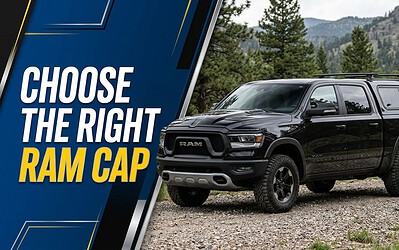
Chevy Truck Shop vs. Ram Truck Service: What Is Different?
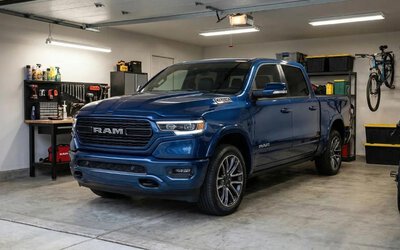
Chevrolet Silverado and Ram 1500 trucks may serve similar purposes, but they aren’t mechanically identical. Engine designs, transmission configurations, diagnostic procedures, parts specifications, and maintenance requirements can differ by model year and configuration.
A shop’s experience with one brand doesn’t automatically mean it has the same level of expertise with another.
For example, a Chevrolet specialist may be highly experienced with Silverado diagnostics but less familiar with a particular Ram engine or electronic system. The reverse can also be true.
That doesn’t mean a general repair shop cannot work on both. It means owners should ask about the technician’s relevant experience rather than assuming all full-size pickups are interchangeable.
For Ram owners researching related maintenance topics, RAM Care Pro provides additional reading:
- Explore RAM Care Pro for Ram truck maintenance and accessory information.
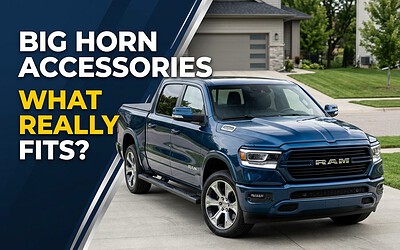
- Ram 1500 accessories research for truck customization topics.
- Ram 2500 accessories research for heavy-duty truck accessory considerations.
- Ram towing guide research for towing-related information.
- Ram engine problems research for engine troubleshooting topics.
These links lead to the RAM Care Pro website. Before publishing, replace any repeated homepage links with the exact corresponding article URLs from your sitemap if those individual pages are available.
What Should You Do Before Taking Your Truck In?
A little preparation can make a repair visit more productive.
Before your appointment:
- Write down when the problem started and whether it happens consistently.
- Record any warning lights, unusual sounds, leaks, or changes in performance.
- Bring recent service records and relevant warranty information.
- Explain whether the truck is used for towing, hauling, off-road driving, or daily commuting.
- Ask whether the shop charges a diagnostic fee.
- Set a clear approval limit for additional work.
- Request the final invoice and keep it with your maintenance records.
If a warning light appears alongside severe overheating, loss of oil pressure, major braking problems, or other signs of an immediate safety issue, stop driving when it is safe to do so and seek professional guidance.
For routine maintenance, Chevrolet’s Silverado maintenance information is a useful starting point. Always check the owner’s manual for instructions specific to your vehicle.
Key Facts at a Glance
- A Chevy truck shop may provide maintenance, diagnostics, mechanical repairs, or truck customization.
- Dealerships and independent shops have different strengths; neither is automatically best for every repair.
- A fault code doesn’t prove a part has failed. Proper diagnosis matters.
- Written estimates and approval limits help prevent misunderstandings about repair costs.
- Brand-specific experience matters, especially for complex electronics, engines, transmissions, and diesel systems.
- Maintenance records and clear communication make it easier to manage repairs over time.
- The best shop is the one qualified for your specific job, not necessarily the closest or cheapest option.
Final Verdict: Choose Expertise Over a Cheap Quote
Finding a good Chevy truck shop is about more than getting a quick repair. It’s about knowing that the technician understands your truck, can explain the problem, and will give you a clear picture of the work involved.
Start with the symptoms, ask sensible questions, compare written estimates, and confirm that the shop has experience with your specific vehicle.
My take: A fair price matters, but an accurate diagnosis and honest communication matter more. Paying for the right repair once is usually a better outcome than repeatedly paying to replace parts without solving the original problem.






0 Comments