

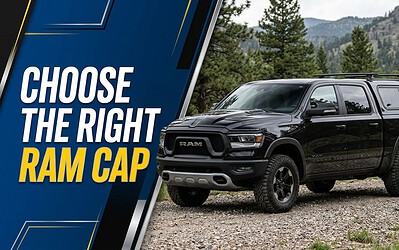
A ram cap is an enclosure fitted over a pickup truck’s bed to protect cargo, add storage space, and make the truck more useful for work, travel, or camping. Also called a truck cap, topper, or camper shell, it can turn an open Ram truck bed into a more enclosed cargo area without replacing the bed itself.
However, choosing a cap involves more than finding one that looks good. Your truck’s model year, bed length, factory equipment, and intended use all affect which designs will work. A cap that fits one Ram 1500 may not fit another, even when the trucks look similar.
This guide explains the main types of ram caps, how they compare with bed covers, what to check before installation, and how to avoid common compatibility and maintenance problems.
Key Facts About Ram Caps at a Glance
- A ram cap adds enclosed cargo space: It covers the bed with a raised structure rather than a low-profile cover.
- Fitment comes first: Model year, truck generation, bed length, and existing equipment all matter.
- Materials affect everyday use: Fiberglass, aluminum, and commercial designs have different strengths and trade-offs.
- RamBox can limit compatibility: Some caps cannot be installed on trucks equipped with this bed-storage system.
- Weather protection is not absolute: Seals, windows, drainage, installation, and tailgate gaps affect how much water enters.
- A cap adds weight: Its weight must be considered along with passengers and cargo when checking payload limits.
- A used cap needs careful inspection: Damaged seals, cracked glass, worn hardware, and incorrect dimensions can turn a bargain into a problem.
What Is a Ram Cap and How Does It Work?
A truck cap sits on top of the bed rails and creates a covered compartment above the cargo area. Depending on its design, it may include a rear liftgate, side windows, side-opening doors, interior lights, locks, and roof-rack mounting points.
The main purpose is to give your truck more enclosed storage without installing a separate cargo trailer. Contractors can use a cap to carry tools and supplies, while outdoor enthusiasts may use the space for camping equipment, luggage, or bicycles that fit inside the enclosure.
Many caps also provide more vertical clearance than a Ram 1500 bed cover. That difference matters when you need to carry bulky equipment or organize cargo above the bed floor.
A cap is not, however, a guarantee that everything inside will stay completely dry or secure. Its seals and windows can wear, and water or dust may enter through gaps around the cap, tailgate, or other openings. The level of protection depends on the design, installation, and condition of the equipment.
It’s also worth understanding the terminology. Truck owners and manufacturers may use the words cap, topper, and camper shell for similar products. A commercial cap may look very different from a traditional fiberglass topper, so compare the actual construction and features rather than relying only on the name.
Which Type of Ram Cap Makes Sense for Your Truck?
The right design depends on what you carry, how often you need access, and how much maintenance you want to handle. Here are the common options.
Fiberglass caps
Fiberglass caps are a familiar choice for daily drivers and recreational trucks. They often follow the general shape of the cab and may be available with painted finishes, sliding side windows, carpeted interiors, and different roof heights.
The finished appearance can suit an owner who wants the cap to blend with the truck. However, fiberglass is not immune to cracking or surface damage, and larger assemblies can be awkward to lift or store when removed.
Aluminum and modular caps
Aluminum designs may use solid panels, sliding windows, or large side-opening doors. Modular versions can provide flexible access to tools and equipment, which makes them useful for work, overlanding, or organized cargo storage.
Construction varies by manufacturer. Check the stated weight, load ratings, panel design, corrosion protection, mounting method, and compatibility notes rather than assuming every aluminum cap offers the same capabilities.
Commercial or work caps
Commercial caps prioritize access to equipment and practical storage. Depending on the configuration, they may include side access doors, interior shelves, compartments, or mounting points for work gear.
These features can be useful for tradespeople who regularly need tools close at hand. The trade-off is that a work-oriented enclosure may be heavier or less suited to recreational camping than a simpler topper.
Soft truck toppers
A soft topper typically uses fabric stretched over a supporting frame. It can be useful when flexibility and removal matter more than a rigid enclosure.
Because fabrics, frames, and closures vary considerably, inspect the manufacturer’s weather-protection instructions and limitations before relying on one to protect sensitive equipment.
For a broader look at how truck equipment fits into an overall setup, see the Dodge Ram pickup accessories guide.
Ram Cap vs. Tonneau Cover: What’s the Difference?
A cap and a tonneau cover both cover the truck bed, but they solve different problems. A cap adds height and an enclosed storage area. A tonneau cover sits closer to the bed rails and generally preserves the truck’s original bed shape.
| Option | Main advantage | Important trade-off | Typical use |
|---|---|---|---|
| Fiberglass cap | Enclosed storage with a finished appearance | Can be bulky to remove and store | Daily driving and recreation |
| Aluminum or modular cap | Flexible cargo access and storage options | Fitment and load ratings vary by design | Work, camping, and equipment storage |
| Commercial cap | Work-focused access and organization | May add substantial weight and complexity | Tools and professional equipment |
| Soft topper | Flexible enclosure that may be easier to remove | Less rigid than a hard shell | Occasional cargo use and recreation |
| Tonneau cover | Covered bed with little added height | Limited vertical clearance for tall items | Everyday cargo and a lower-profile setup |
These are general design differences, not guarantees of performance. A premium tonneau cover may provide better security than a basic cap, while a well-designed cap may offer more useful access than a complicated cover. The details matter.
If you’re deciding between an enclosure and a lower-profile cover, the Ram 1500 bed-cover buying guide and bed-cover fitment overview provide related information on bed length, access, and compatibility.
Five Fitment Checks Before Buying a Ram Cap
This is the most important part of the decision. Never assume that a cap will fit because the seller says it came off a Ram truck.
1. Confirm the model year and truck generation
Start with your truck’s exact model year and model. A Ram 1500, 2500, and 3500 should not be treated as interchangeable when choosing a cap. Even within one model line, body styles and bed configurations can differ across generations.
The Ram 1500 Classic and the newer-generation Ram 1500 are especially worth distinguishing when checking older or used caps. Trucks sold in overlapping model years do not necessarily share the same body and bed dimensions.
Use the official Ram 1500 specifications page as a starting point for identifying the current truck configuration. Then use the cap manufacturer’s fitment chart for the exact product.
2. Measure the bed length
Bed length is not a minor detail. Ram pickups have been offered in different bed configurations depending on model, year, and cab. A cap designed for a shorter bed won’t simply stretch to fit a longer one, and the reverse is also true.
Check the truck’s original specification or use the measurement method recommended by the cap manufacturer. Don’t assume an advertised length is the same as your own measurement unless the manufacturer explains how it is measured.
If you’re purchasing a used cap, ask for its manufacturer label, product number, or original fitment details. Those details are more useful than a seller’s estimate.
3. Check RamBox and factory bed rails
RamBox storage compartments and other factory bed features can affect how a cap mounts. The shape of the bed rails, available mounting surfaces, and clearance around the compartments may prevent some products from fitting.
For a specific example, the Rough Country modular cap listing identifies its application as a 5-foot-7-inch-bed Ram 1500 and states that it does not fit models equipped with RamBox or a utility rail system. It also notes potential interference with cab-mounted cargo and digital rear-view cameras. Those are restrictions for that particular product, not rules that automatically apply to every cap.
4. Check tailgate, window, and camera clearance
The cap must meet the tailgate correctly and leave the necessary clearance around the cab and rear glass. Check whether its front window opens, whether the rear door clears the tailgate, and whether the structure blocks any camera or accessory your truck uses.
Also verify the position and operation of the cap’s locks, hinges, struts, and windows. A cap that technically mounts but prevents normal access or obstructs essential equipment isn’t a good fit.
5. Confirm weight and load ratings
A cap adds weight before you place a single bag, tool, or cooler inside it. That weight counts toward the truck’s available payload, along with passengers and cargo. Check your own truck’s door-jamb information and owner’s manual rather than relying on a general model maximum.
If you intend to mount a rack or carry cargo on top of the cap, check the cap manufacturer’s specific static and dynamic load ratings, as applicable. A stationary load rating is not the same as a rating for a moving vehicle. Never assume that a cap can support rooftop cargo simply because it has rails or a flat top.
Installation, Weather Sealing, and Routine Care
Even a correctly sized cap can create problems if it is poorly installed. Follow the manufacturer’s instructions for the mounting hardware, seals, and adjustment points. Many hard caps are awkward to lift safely, so use suitable help or a lifting system rather than trying to position a heavy assembly alone.
Check the mounting surface and seal
Before installation, clean the bed rails and check for damage, old adhesive, loose bed-rail accessories, or anything that could prevent the cap from sitting evenly. Install the specified gasket or sealing material as directed. Tighten clamps or fasteners according to the manufacturer’s procedure, not by guesswork.
Don’t add sealant indiscriminately. Some products rely on replaceable gaskets and defined drainage paths, and unapproved sealant can make later removal or repair more difficult.
Test for leaks before loading sensitive cargo
Once installed, inspect the cap’s perimeter, rear door, windows, and seams. A gentle water test can help reveal obvious leaks. Dry the interior afterward and recheck the mounting points following the initial use, as instructed by the manufacturer.
Water entering the bed may come from the cap-to-rail seal, window seals, rear door, or the area around the tailgate. The tailgate itself may not form a watertight seal even when a cap is properly installed, so keep the manufacturer’s weather-protection limits in mind.
If the truck’s cab headliner or rear-seat area gets wet, don’t automatically blame the cap. The cab’s rear window, third brake light, sunroof drains, or other body seals may be separate sources of water intrusion and need their own inspection.
Keep the moving parts working
Clean the windows, inspect rubber seals, and keep locks, hinges, latches, and gas struts in serviceable condition. Follow the product maker’s advice on lubrication and cleaning chemicals. Replace damaged seals before they allow persistent water or dust entry.
For day-to-day truck protection and practical upgrades beyond the bed, the Ram 1500 daily-driver accessories guide offers more ideas to consider as part of your setup.
What Manufacturers and Ram Owners Say
Manufacturer fitment pages are the starting point for technical compatibility because they can identify the specific bed length, factory options, and installation restrictions tied to a product. One manufacturer’s listing should not be used to decide whether a different cap will fit; check the exact model and product number every time.
Truck-owner discussions provide another kind of useful information. In a Ram truck topper discussion on Reddit, owners talk about bed-length compatibility, side-window access, front-glass options, interior lining, and using a cap for camping. These are personal experiences rather than controlled tests, but they highlight practical questions that are easy to overlook in a product description.
The best takeaway is to combine the two sources of information: use manufacturer documentation to confirm fitment and ratings, then use owner discussions to identify questions about real-world access, condensation, cleaning, and daily convenience.
For more general options and accessory considerations, see the Ram 1500 accessories guide. Keep in mind that accessory compatibility can change with the truck configuration, so general guidance should never replace the specific cap manufacturer’s instructions.
Common Questions About Ram Caps
Will any Ram cap fit a Ram 1500?
No. You need to match the model year, body generation, bed length, rail configuration, and factory options. Even two Ram 1500 trucks may require different caps.
Is a cap better than a tonneau cover?
Neither is universally better. A cap provides more vertical enclosure for taller cargo, while a tonneau cover keeps a lower profile and can be easier to open or fold away, depending on its design. Choose based on your cargo and how often you need full-bed access.
Will a truck cap keep everything completely dry?
Not necessarily. Seals and windows can reduce water entry, but performance depends on design, installation, drainage, and the tailgate area. Check the manufacturer’s weather-protection details and test the installation before carrying water-sensitive items.
Can I buy a used cap?
Yes, but verify the original part number and fitment before paying. Inspect the shell for cracks or damage, check the glass and locks, test the hinges and struts, and examine the gasket and mounting hardware. A low price is not helpful if the cap cannot be fitted safely or repaired economically.
Does a cap affect payload?
Yes. Its weight uses part of the truck’s available payload. Add the cap’s weight to the rest of the load you’re carrying and follow the truck’s payload limits. Roof-load limits, when applicable, are separate considerations.
The Bottom Line: Choose Fit Before Appearance
A ram cap can make a pickup more useful by creating covered cargo space for work, travel, and everyday hauling. But the right choice starts with compatibility, not color or styling.
Confirm the truck’s exact bed length and factory equipment, check the cap’s weight and load ratings, and inspect the seals and mounting hardware. Compare fiberglass, aluminum, commercial, and soft designs based on how you use the truck.
The most important rule is simple: verify the exact fitment before buying. That one step can help you avoid installation headaches, preventable leaks, and an expensive cap that doesn’t work with your Ram.






0 Comments