

For RAM 1500 owners who regularly carry tools, construction materials, outdoor equipment, or other heavy cargo, protecting the bed can be an important part of long-term truck ownership.
However, a plastic bedliner isn’t automatically the best choice for every truck. Fitment, installation quality, moisture underneath the liner, cargo movement, and maintenance all deserve attention before making a purchase.
This guide explains how drop-in bedliners work, what to check before buying one, how they compare with spray-in alternatives, and how to maintain the truck bed after installation.
Key Facts at a Glance
- A drop-in bedliner is generally a molded plastic protective shell installed inside the truck bed.
- Many models use high-density polyethylene (HDPE) for durability.
- RAM 1500 bed length and RamBox configuration affect compatibility.
- Some liners include a separate tailgate section.
- Dirt and moisture can collect between a poorly fitted liner and the metal bed.
- Loose or damaged mounting points can allow movement, noise, and surface abrasion.
- Regular inspection and cleaning help maintain the condition of the truck bed.
What Is a RAM 1500 Drop-In Bedliner?
A drop-in bedliner is a protective insert manufactured to match the shape of a particular pickup truck bed.
Unlike a spray-in coating, which bonds directly to the prepared bed surface, a drop-in liner sits inside the cargo area as a separate component.
Most molded plastic versions have several design features:
- Raised or ribbed floor sections.
- Molded sidewall protection.
- Wheel-well coverage.
- Tailgate protection, depending on the package.
- Mounting points or retaining hardware.
- Channels or spaces intended to help manage water and debris.
The official Mopar catalog describes its RAM 1500 drop-in bedliner as a high-density polyethylene product with a ribbed construction designed to help manage cargo and provide bed protection.
These features make a drop-in liner useful for owners who regularly load equipment, tools, and other items into their truck.
However, the liner should not be treated as a completely waterproof enclosure. Water can still enter the bed through normal openings, and dirt or moisture may accumulate underneath if the installation and drainage are not properly maintained.
Why RAM 1500 Owners Consider Installing a Drop-In Bedliner
A pickup bed experiences different types of wear depending on how the truck is used.
Carrying lumber, gardening equipment, metal tools, storage containers, or construction supplies can gradually damage an unprotected bed surface.
A drop-in liner provides a replaceable protective layer between the cargo and the original truck bed.
1. Protection Against Everyday Scratches
Tools and equipment can move during loading and transportation. A properly fitted liner helps reduce direct contact between these objects and the factory bed surface.
This can be particularly useful when carrying materials with rough edges.
2. Additional Protection Against Minor Impacts
Plastic liners provide a physical barrier against some impacts caused by ordinary cargo handling. However, they cannot guarantee protection against every heavy impact or prevent all dents in the underlying metal.
3. Easier Cargo-Area Management
Many molded liners have textured or ribbed surfaces. These designs can help organize cargo and provide a more controlled loading surface.
The actual amount of grip varies by product, so owners should not assume that every plastic liner prevents cargo from sliding.
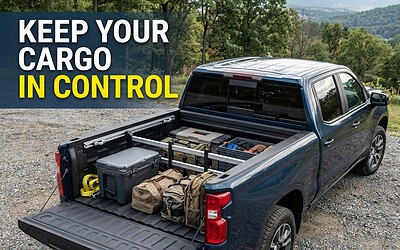
Use appropriate tie-down points and cargo restraints whenever necessary.
4. Replaceable Protection
A major advantage of a drop-in liner is that it can generally be removed and replaced without removing a bonded coating.
This can make cleaning and inspection easier when the liner has been installed with accessible retaining hardware.
Different RAM 1500 Bedliner Options
Not every bed protection product works in the same way. Before purchasing, understand the differences between the main available options.
Drop-In Bedliner
A molded plastic shell sits inside the truck bed. Its main advantage is physical coverage and replaceability.
The trade-off is that the area underneath needs attention because dirt and moisture can accumulate between the liner and the original bed surface.
Spray-In Bedliner
A spray-in bedliner is a protective coating applied directly to a properly prepared truck bed.
It bonds to the surface rather than sitting inside the bed as a separate shell. The result is a more integrated protective layer without the same type of enclosed space underneath a molded liner.
However, coating quality depends on preparation, application, and the condition of the original surface.
Bed Mat
A bed mat is a removable protective layer that generally covers the floor rather than the entire interior bed.
It can help reduce scratches and impacts from everyday cargo. It does not provide the same sidewall coverage as a full drop-in liner.
Comparison: Drop-In vs. Spray-In vs. Bed Mat
| Feature | Drop-In | Spray-In | Bed Mat |
|---|---|---|---|
| Construction | Molded plastic | Applied coating | Removable mat |
| Installation | Fitted insert | Surface preparation and application | Placed in bed |
| Sidewall coverage | Product dependent | Usually available | Generally no |
| Removability | Generally removable | Not easily removable | Easily removable |
| Under-liner cleaning | Important | No separate shell underneath | Easy to lift |
| Surface protection | Physical barrier | Bonded coating | Floor protection |
| Main consideration | Fit and moisture | Application quality | Limited coverage |
There isn’t one universally best option. The right choice depends on cargo type, expected use, budget, and how much maintenance the owner is prepared to perform.
For more information about other protective upgrades, see our guide to RAM pickup accessories and their practical uses.
How to Check RAM 1500 Drop-In Bedliner Compatibility
Compatibility is one of the most important parts of purchasing a replacement or aftermarket bedliner.
A product advertised for a RAM 1500 may not fit every truck carrying that name. The bed’s dimensions and factory equipment can change the required liner design.
1. Confirm the Model Year
Start with the exact model year of your truck.
RAM has produced different generations and body configurations over the years. The RAM 1500 Classic and newer-generation RAM 1500 should not automatically be treated as interchangeable.
A bedliner designed for one body configuration may not match the mounting points or dimensions of another.
2. Identify the Bed Length
RAM 1500 trucks are available with different cargo-bed configurations.
Mopar’s catalog lists different drop-in bedliner applications for 5-foot-7-inch and 6-foot-4-inch conventional beds.
A liner that fits one bed length should not be assumed to fit the other.
3. Check for RamBox
RamBox is an integrated cargo-storage system that changes the available bed configuration.
A conventional-bed liner may not fit correctly in a truck equipped with RamBox. Mopar lists a separate RamBox-compatible drop-in bedliner application.
4. Check the Tailgate Section
Some bedliner packages include a matching tailgate liner. Others may require a separate component.
Check whether the package includes the correct tailgate coverage and whether the mounting arrangement matches your truck.
5. Verify the Part Number
Never rely only on a product title.
Ask the manufacturer or parts supplier to confirm the application using your model year, bed configuration, and available vehicle information.
The official Mopar parts catalog allows customers to search by vehicle and part number.
For a broader explanation, read 1500 Ram Parts: 5 Fitment Checks Before You Order.
Example: Mopar RAM 1500 Drop-In Bedliner Applications
Mopar’s catalog provides examples of different applications:
| Application | Mopar Part Number |
|---|---|
| 5’7″ conventional bed | 82215212AE |
| 5’7″ RamBox bed | 82215213AE |
| 6’4″ conventional bed | 82215214AE |
These are catalog examples, not universal replacement numbers for every RAM 1500.
Confirm the latest supersession information and exact vehicle application before ordering.
Common Drop-In Bedliner Problems
Drop-in bedliners offer useful protection, but installation and maintenance deserve attention. Understanding the possible problems helps owners avoid unnecessary damage.
Moisture and Dirt Underneath the Liner
This is one of the most frequently discussed concerns among pickup owners.
Water can enter through gaps and openings. Dust, sand, and other debris can also find their way underneath the plastic shell.
If moisture and abrasive dirt remain trapped against the truck bed, the original finish may deteriorate over time. In some circumstances, damaged paint and prolonged moisture exposure can contribute to corrosion.
This doesn’t mean every drop-in bedliner causes rust. The condition of the original bed, liner fit, drainage, and maintenance all matter.
The practical approach is to inspect underneath the liner periodically and clean the area when necessary.
Movement and Rubbing
A poorly fitted or inadequately secured liner may move during transportation.
Repeated movement can create friction between the liner and the painted bed surface.
Owners may notice unusual noises, shifting, or visible rubbing marks. Check the retaining hardware and follow the liner manufacturer’s installation instructions.
Cargo Movement
A smooth plastic surface may allow certain objects to slide, particularly when the truck accelerates, brakes, or travels over uneven roads.
Ribbed construction can help, but it doesn’t eliminate the need for proper cargo restraint.
Use suitable tie-downs and cargo-management equipment.
Cracks and Damaged Mounting Points
Plastic can become damaged through impact, improper handling, or age.
Inspect the liner for cracks, distorted edges, broken clips, and damaged retaining areas. A cracked liner may no longer sit correctly against the truck bed.
Drainage Problems
A liner may include drainage channels, but these do not guarantee that every installation will drain effectively.
Leaves, mud, and debris can obstruct drainage areas. Check that the liner sits correctly and that water isn’t collecting in unintended areas.
How to Maintain a RAM 1500 Drop-In Bedliner
A little routine attention can help preserve both the liner and the original bed.
The following checks are practical maintenance considerations rather than a manufacturer-prescribed service interval.
Inspect the Liner Periodically
Look for cracks, loose sections, distorted edges, and damaged mounting hardware. Pay particular attention to the corners and areas around the wheel wells.
Clean Underneath the Liner
Follow the liner manufacturer’s removal instructions.
If the design permits removal, lift the liner carefully and inspect the underlying metal. Remove accumulated dirt and debris, then allow the surfaces to dry before reinstalling the liner.
Don’t force a liner out if it is permanently secured or requires special removal procedures.
Check for Corrosion
Inspect exposed metal for:
- Paint scratches.
- Rust-colored marks.
- Damaged protective coatings.
- Areas where water has remained.
- Corrosion around mounting points.
If you find significant corrosion or damaged metal, arrange an appropriate inspection and repair.
Keep Drainage Areas Clear
Remove leaves, mud, and debris that may interfere with drainage. Check the manufacturer’s instructions before using cleaning chemicals or protective products.
Secure Cargo Properly
Even a skid-resistant bedliner cannot guarantee that heavy objects will remain stationary.
Use the truck’s designated tie-down points and suitable restraints.
Drop-In vs. Spray-In: Which Is Better for Your RAM 1500?
The decision should be based on how you use your truck.
A drop-in liner may make sense when you want a removable protective shell and broad physical coverage.
A spray-in liner may be preferable when you want a bonded finish without a separate plastic shell.
However, neither option is completely maintenance-free.
Mopar’s 2026 RAM 1500 Owner’s Manual includes maintenance guidance for factory spray-in bedliners. It recommends periodic cleaning and describes using the appropriate Mopar conditioner to maintain appearance.
The manual also warns against silicone-based protection products because they can create a slippery surface. It notes that even a durable spray-in coating can be damaged by sharp objects or heavy cargo handling.
These recommendations apply to the spray-in liner described in the manual. They should not automatically be treated as cleaning instructions for every aftermarket plastic liner.
For more information about accessory selection, see our guide to Dodge RAM accessories and practical upgrades.
What to Check Before Buying a RAM 1500 Drop-In Bedliner
Before placing an order, review the following points.
- Vehicle compatibility: Confirm the model year, body style, bed length, and RamBox configuration.
- Material: Check whether the product is made from HDPE or another documented material.
- Coverage: Determine whether it protects the bed floor, sidewalls, wheel wells, and tailgate.
- Installation hardware: Check whether mounting clips, bolts, or other retaining components are included.
- Drainage design: Look for properly designed drainage channels and instructions explaining how the liner should sit inside the truck bed.
- Manufacturer support: Review the warranty, installation documentation, and replacement-part availability.
- Return policy: Confirm the return conditions before ordering, particularly for products with vehicle-specific fitment.
A useful next step is to read our RAM truck parts guide, which explains additional compatibility checks when selecting replacement parts and accessories.
What Do RAM Owners Say About Drop-In Bedliners?
Truck-owner discussions reveal a few recurring concerns.
Some owners prefer spray-in liners because they don’t have a separate plastic shell that can collect dirt and moisture underneath. Others prefer removable plastic liners because they can be lifted for cleaning and provide a replaceable protective barrier.
These are individual owner experiences, not controlled product tests. They shouldn’t be interpreted as proof that every drop-in liner will develop the same problems.
The useful takeaway is that installation quality, cleaning access, and the truck’s intended use should influence the decision.
You can review RAM truck owner discussions on Reddit for additional perspectives. Forum comments are personal experiences, not authoritative technical documentation.
Frequently Asked Questions
Is a drop-in bedliner good for a RAM 1500?
Yes. A properly fitted drop-in bedliner can provide useful protection against everyday scratches, scuffs, and cargo-related wear. Regular inspection underneath the liner is important.
Can a drop-in bedliner cause rust?
It can contribute to corrosion problems if moisture and abrasive debris remain trapped against damaged or exposed metal. However, rust is not inevitable. Installation quality, paint condition, drainage, and maintenance matter.
Are all RAM 1500 bedliners the same size?
No. Bed length, model year, body style, and RamBox equipment can affect compatibility. Always check the manufacturer’s application information.
Is a spray-in bedliner better than a drop-in bedliner?
Neither is universally better. Spray-in liners provide a bonded coating, while drop-in liners offer a removable protective shell. The better option depends on the truck’s intended use, maintenance preferences, and budget.
Can I install a drop-in bedliner myself?
Some products are designed for owner installation. However, installation requirements vary. Follow the specific manufacturer’s instructions and confirm that all mounting and retaining components are correctly installed.
How often should I remove a drop-in bedliner for cleaning?
There is no single manufacturer-approved interval that applies to every product. Inspect the liner and follow its manufacturer’s maintenance recommendations. Clean underneath when dirt or moisture accumulation is identified and when the design allows safe removal.
Final Verdict: Is a Drop-In Bedliner Worth It?
A RAM 1500 drop-in bedliner can be a practical choice for owners who want removable physical protection for their truck bed.
It offers useful coverage against everyday scratches and wear, and some factory-style products include ribbed construction, drainage features, and tailgate protection.
However, purchasing the correct application is essential.
Check the exact bed length, model year, RamBox configuration, and part number before ordering. After installation, pay attention to mounting security, drainage, and the condition of the original bed underneath.
The most important consideration isn’t simply whether a bedliner is plastic or spray-in. It’s whether the product fits correctly, suits your cargo needs, and can be maintained properly over time.
External References
- Official Mopar RAM 1500 Parts and Accessories Catalog
- Mopar Drop-In Bedliner – Part 82215212AE
- Official Mopar Vehicle Owner’s Manuals
- RAM Truck Owner Discussions
Editorial note: This article is independent informational content based on manufacturer documentation, published product information, and owner discussions. It does not represent hands-on product testing or professional installation experience.





0 Comments